
We could soon see a SpaceX IPO. Rumors are intensifying that SpaceX could soon file its IPO prospectus—possibly as early as this week. Even more striking are projections that the offering could raise as much as $50 billion, implying a valuation near $1.8 trillion.
If that scenario unfolds, it would instantly become one of the most significant public offerings in history. But for investors, the bigger question isn’t just whether SpaceX goes public—it’s how to position ahead of the event.
While waiting for a direct opportunity to buy into SpaceX is one approach, many investors are instead turning to stocks and ETFs already benefiting from the current surge in IPO enthusiasm.
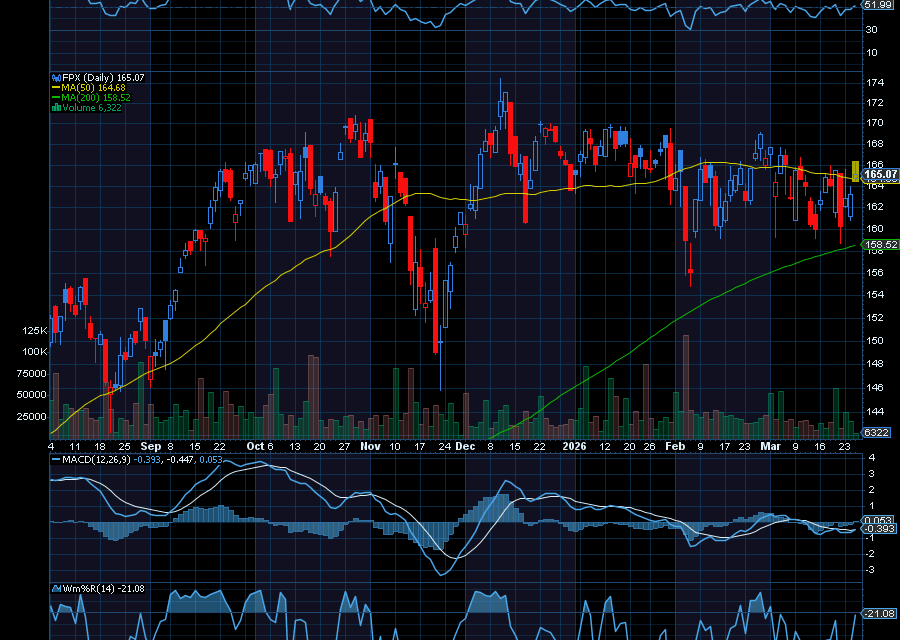
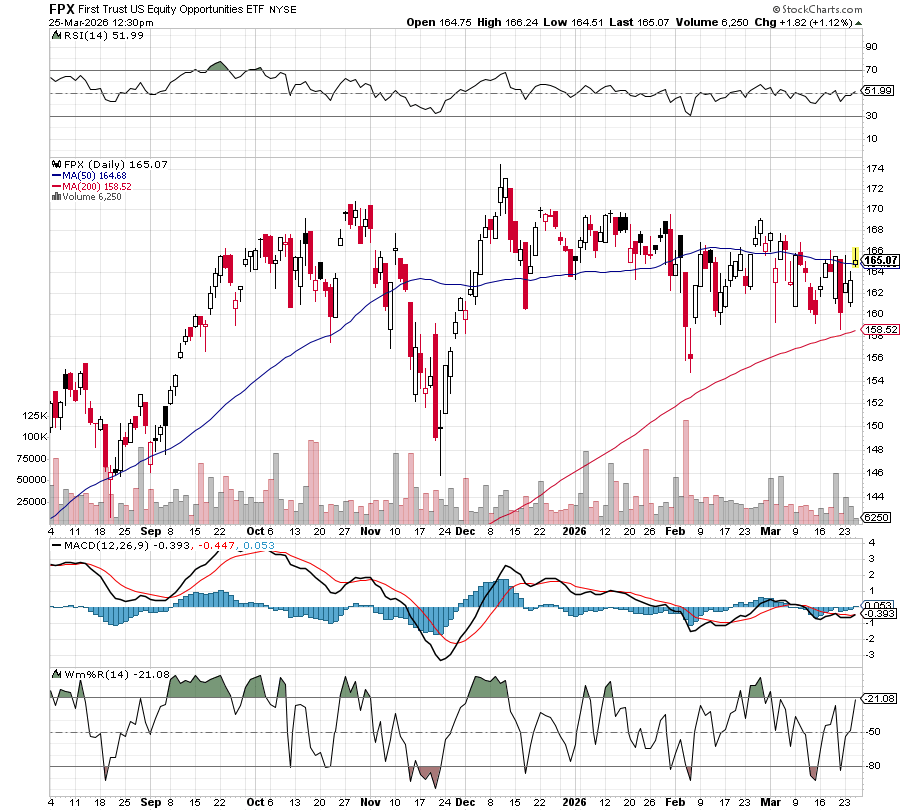
One, invest in the First Trust US Equity Opportunities ETF (FPX)
With an expense ratio of 0.61%, the FPX tracks hot IPOs, giving investors access to new stocks during their initial, most crucial days on market. By buying it, not only can you avoid paying gobs of money for IPOs that may or may not work out, but you’re also being exposed to multiple hot IPOs at the same time at lesser cost.
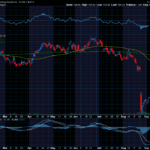
Even with its share of high-profile IPO disappointments, FPX has delivered strong long-term gains, climbing from around $11 in 2009 to recent highs near $163. The key advantage is simple: whether individual IPOs succeed or fail, the overall excitement and capital inflows into the IPO market tend to support the ETF over time.
With the FPX, it doesn’t matter if the stock is hot or a dud, the excitement surrounding IPOs continues to send the FPX to new highs.
Or, you can use the Renaissance IPO ETF (IPO)
With an expense ratio of 0.6%, the ETF provides “investors with the largest, most liquid US-listed newly public company stocks in one security, reducing the risk of single-stock ownership while avoiding overlap with major core indices for optimal diversification across markets and time,” as noted by Renaissance Capital.
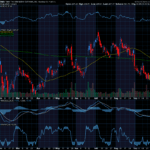
Since November 2023, the ETF rallied from a low of about $30 to its current price of $42.71. From here, we’d eventually like to see the ETF rally back to $60 a share.
Sincerely,
Ian Cooper







Recent Comments