

by Ian Cooper
One of the best ways to invest in an IPO is by not investing in an IPO at all.
That’s because investing in IPOs is a coin flip.
One of my favorite flops was the Ferrari IPO flop in 2015.
Here was a $12 billion IPO rolling on to the showroom floor, oversubscribed 10 times over. Investors were excited. Anticipation was high. The press noted it could be a hot runner even though the company had just said net profits fell 34%. Unfortunately, the IPO was a flop. Shares would plummet from $60 to $33 in days. Millions of dollars were wiped out.
Then there’s your Amazon-type IPOs that just explode out of the gate and keep running.

There’s also the potential for Elon Musk’s SpaceX to raise more than $25 billion in 2026, and would reportedly include Starlink, SpaceX’s satellite-based broadband service, and continued progress in its ambitious Starship program aimed at lunar and Mars missions.
Unfortunately, it’s that coin flip that makes IPO investing terrifying for many investors.
While you can always take your chances with a bet on an IPO, there are easier ways.
One, invest in the First Trust US Equity Opportunities ETF (FPX)
With an expense ratio of 0.61%, the FPX tracks hot IPOs, giving investors access to new stocks during their initial, most crucial days on market. By buying it, not only can you avoid paying gobs of money for IPOs that may or may not work out, but you’re also being exposed to multiple hot IPOs at the same time at lesser cost.
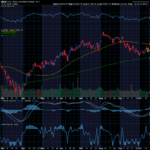
In fact, even with some of the most obnoxious IPO failures, the ETF managed to run from a 2009 low of around $11 to a recent high of $171. It’s a safer alternative than risking your hard-earned money to another potential coin flip.
With the FPX, it doesn’t matter if the stock is hot or a dud, the excitement surrounding IPOs continues to send the FPX to new highs.
Or, you can use the Renaissance IPO ETF (IPO)
With an expense ratio of 0.6%, the ETF provides “investors with the largest, most liquid US-listed newly public company stocks in one security, reducing the risk of single-stock ownership while avoiding overlap with major core indices for optimal diversification across markets and time,” as noted by Renaissance Capital.
Since November 2023, the ETF rallied from a low of about $30 to its current price of $44. From here, we’d eventually like to see the ETF rally back to $60 a share, which it last tested in 2022.










Recent Comments