
Investors often pay close attention when company executives buy shares of their own businesses. The reason is simple: corporate insiders typically have a deeper understanding of their companies than most outside investors. When executives use their own money to purchase stock on the open market, it can signal that they believe shares are undervalued or that the company’s long-term prospects are stronger than the current stock price suggests.
Look at Klarna (NYSE: KLAR), for example.
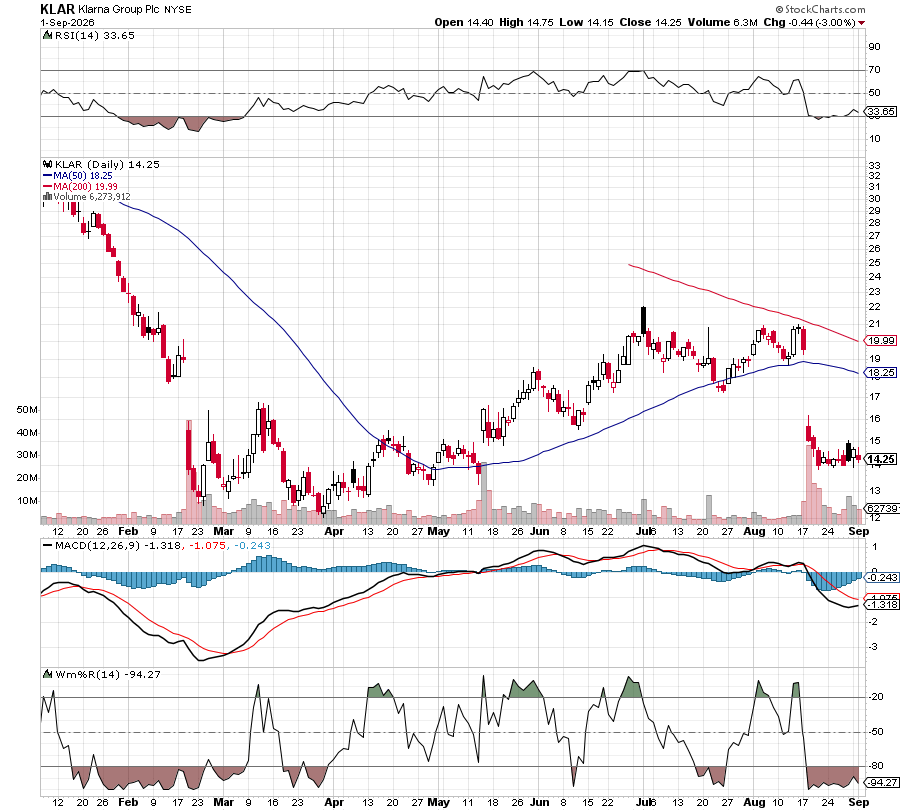
Klarna Group CEO and co-founder Sebastian Siemiatkowski bought about $10 million worth of the fintech company’s stock. According to a filing with the Securities and Exchange Commission, Siemiatkowski purchased 692,506 Klarna shares at about $14.37 each.
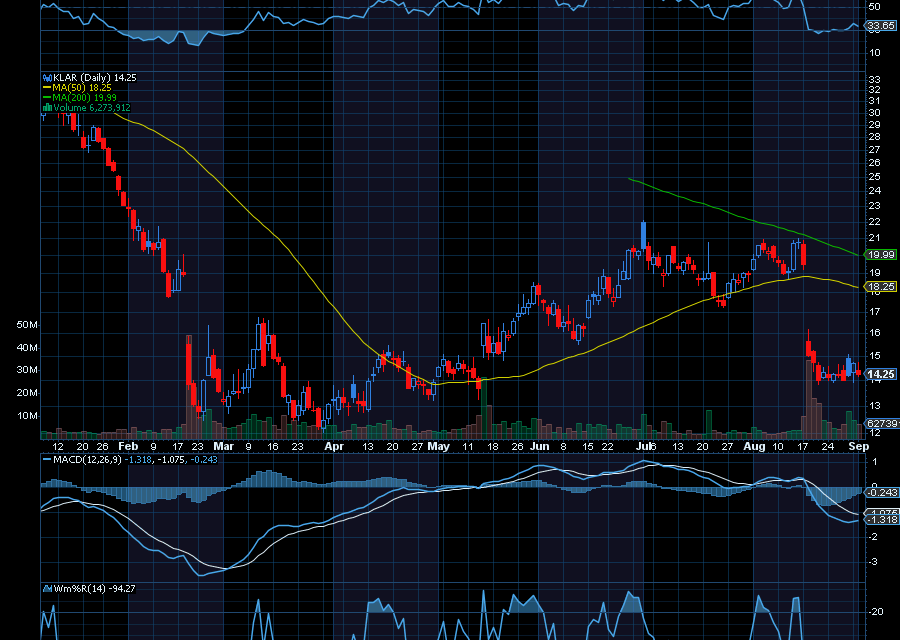
The investment comes at a difficult time for Klarna. Shares have fallen about 50% this year, extending the post-IPO struggles that have weighed on the buy-now, pay-later company since its 2025 debut. Klarna recently beat profit expectations for the second consecutive quarter, but the stock fell as investors focused on weaker guidance and the planned departure of two senior executives, including CFO Niclas Neglén.
Siemiatkowski’s buy represents a significant vote of confidence at a time when investors remain skeptical about Klarna’s ability to achieve sustained profitability.
What Insider Buying Really Means
Insider purchases can be an encouraging signal, but they should not be viewed as a guarantee that a stock will rise. Executives can buy shares for many reasons, and even substantial purchases do not eliminate the fundamental risks facing a business.
Still, purchases by senior executives can offer investors a useful window into management’s confidence. At Klarna, its CEO is putting meaningful amounts of his own capital behind the company despite challenges. For investors, the key may be to view insider buying as one piece of the puzzle, alongside earnings, valuation, growth prospects and risks, rather than as a standalone reason to buy a stock.
Sincerely,
Ian Cooper






Recent Comments