

A popular fintech stock is taking a beating as rising interest rate concerns send shares to a new 52-week low following eight consecutive losing sessions. With the stock trading below key moving averages and bearish technical indicators signaling accelerating selling pressure, sellers appear firmly in control. As shares approach a critical support level, a breakdown could open the door to further downside and a potential put option opportunity.
SoFi Technologies (SOFI) has come under significant selling pressure as concerns about higher interest rates weigh on financial stocks. Shares fell to a new 52-week low of $13.57 Thursday, extending their losing streak to eight consecutive sessions. The decline follows the release of Federal Reserve meeting minutes indicating that policymakers anticipate additional interest rate increases, while the 10-year Treasury yield near 5.10% has heightened concerns about borrowing costs and lending profitability. The weakness comes despite SoFi’s strong third-quarter results, which included 44% revenue growth and increased full-year guidance. However, investors appear increasingly concerned that a prolonged higher-rate environment could pressure lending activity and financial technology valuations.
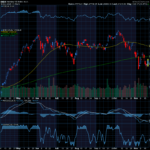
Technically, SOFI is showing a strong bearish setup, with shares trading near $13.62 and below the 8-day, 21-day and 55-day exponential moving averages. The PPO has crossed below its signal line, with an expanding negative histogram indicating accelerating downward momentum. The RSI has fallen to 33.10, reflecting persistent selling pressure while approaching oversold territory. The -DI leads the +DI by a substantial 16.65 points, confirming that sellers remain firmly in control, while the ADX at 20.67 suggests the bearish trend is still developing. With an ATR representing approximately 5.73% of the share price, SOFI has sufficient volatility for a short-term options trade. Continued weakness below $13.50 could open the door to a move toward $13.00, making SOFI an interesting candidate for a bearish put position.









Recent Comments