
“This time is different,” Nvidia (NASDAQ: NVDA) CEO Jensen Huang recently said when asked about concerns surrounding a potential artificial intelligence downturn.
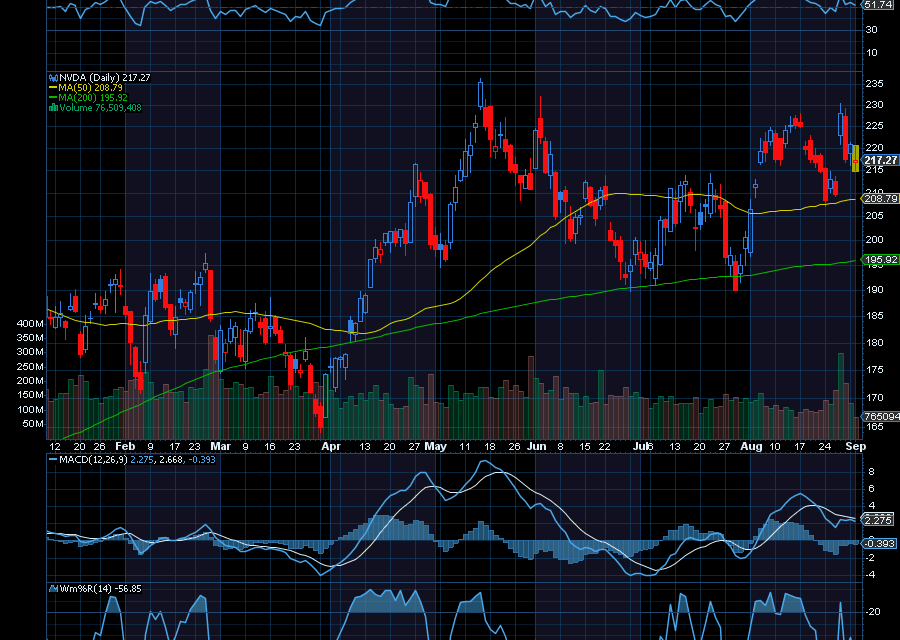
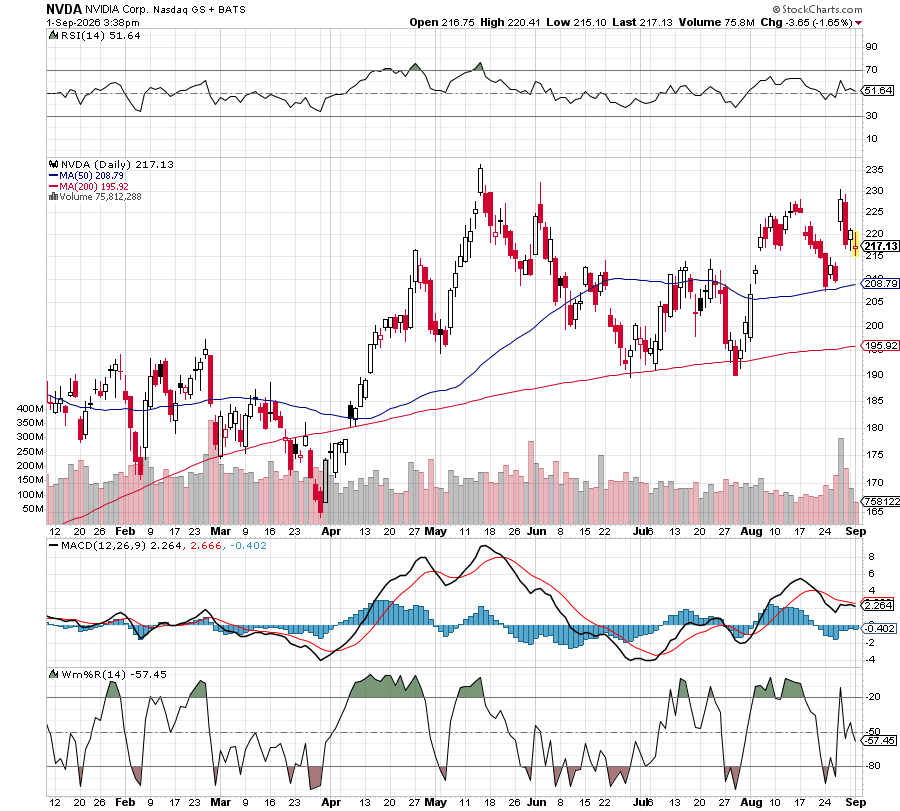
After Nvidia delivered another solid earnings report, it looked like Huang might be right. For once, investors seemed willing to reward the chipmaker for its extraordinary performance rather than punish the stock, as they had following Nvidia’s previous four consecutive blowout earnings reports. But that optimism didn’t last.
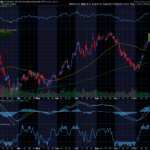
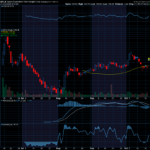
Nvidia shares initially surged following the earnings. But fell apart later in the week.
So why can’t Nvidia seem to catch a break from Wall Street?
More importantly, is Huang right that something fundamentally different is happening with AI and that Nvidia could be entering a new phase of growth?

Nvidia’s Incredible Quarter
Revenue more than doubled from the same period a year earlier to $96.2 billion, beating Wall Street expectations. Adjusted earnings per share jumped 120% year over year to $2.22, compared with analysts’ expectations of $2.09. The company’s profitability was even better. Adjusted net income reached $54 billion, an increase of $29.2 billion from the prior year.
The company also projected that revenue could grow by roughly 70% in 2027, dramatically exceeding analysts’ consensus forecast of approximately 44%. That guidance helped fuel the initial rally in Nvidia shares. The problem is that investors increasingly appear skeptical that the AI spending boom can continue at anything close to its current pace.
Why Are Investors So Skeptical?
The market’s reaction to Nvidia’s earnings illustrates a growing tension surrounding the AI boom. On one hand, companies are spending big money on AI infrastructure, and Nvidia is benefiting more than almost anyone else. Its graphics processing units (GPUs) have become essential components of the data centers powering today’s most advanced AI models.
On the other hand, investors are beginning to ask whether these investments will eventually generate enough economic returns to justify their cost.
That concern is understandable. But Huang believes AI genuinely is different.
In fact, according to Huang, the current AI infrastructure buildout isn’t simply another upgrade cycle. Traditionally, computing improvements have been relatively cyclical. Companies replace older servers and processors with newer, more powerful versions, but the basic architecture and purpose of those systems remain largely unchanged.
Despite the concerns, Huang added that, “This time is different because this is not demand-driven. This time is different because it’s not seasonal. This is industrially driven, meaning the fundamental technology of computers is changing.”
His argument is that AI isn’t merely creating demand for faster chips. It is fundamentally changing how computing is performed. After all, AI workloads require substantial amounts of computational power, meaning companies need to build entirely new data-center infrastructure rather than simply replace individual pieces of aging equipment.
As AI models become more capable and widely deployed, the amount of computing required could increase dramatically. If Huang is correct, the current spending boom could be much more durable than traditional technology investment cycles.
For now, Nvidia has something few companies can claim: results that continue to exceed even extraordinarily high expectations. The question is whether Wall Street will eventually believe those results are sustainable.
Sincerely,
Ian Cooper







Recent Comments