
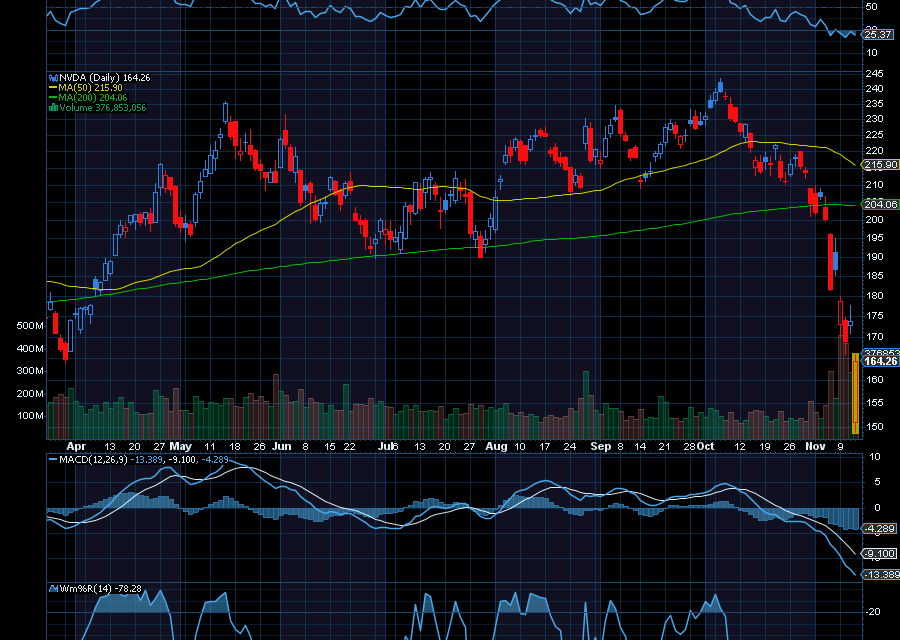
Nvidia (NASDAQ: NVDA) Jensen Huang just resigned, replaced with interim CEO Colette Kress.
All on news one of the top AI guys admitted to being unfaithful to his wife, and coming under scrutiny over allegations of national security or trade secret issues.
For investors, the immediate question is how Nvidia moves forward without the leader so closely associated with its success. The company still has its technology, employees and customers. However, replacing a founder whose influence stretched across product development, customer relationships and public policy presents a challenge that goes well beyond filling an executive position.
An Apology Followed by an Investigation
The crisis intensified on November 8, when Huang acknowledged in a message to employees that he had been unfaithful to his wife.
He apologized to his family and colleagues, accepted responsibility for his conduct and said he would cooperate with an independent investigation into national security concerns raised by news reports. His message did not identify the person involved.
Those concerns followed reporting about a relationship with Alice Huang, a businesswoman associated with Singapore-based Nvidia customer Megaspeed. According to Associated Press reporting summarizing The New York Times’ findings, U.S. officials had received intelligence alleging that she was connected to Chinese intelligence. That allegation remains distinct from an established public finding of espionage.
Nvidia’s board said on November 8 that it had no reason to believe company secrets or national security had been compromised. Nevertheless, it launched an independent review to examine the available information.
This huge NVDA news is just one of many headlines sending the markets into wild swings. Believe it or not there are safe places to find smart, reliable trades in this climate and Keith Harwood has been hitting the bullseye repeatedly. He is showing his readers how he is doing it and is extending the invite to you, click here to see his winning approach.
More Reports Increased Pressure on the Board
The controversy widened when The New York Times reported that Huang had also had a relationship with Kimberly Powell, Nvidia’s vice president of healthcare.
Reuters subsequently described that report while noting it could not independently verify it. Nvidia and Powell did not immediately respond to Reuters’ requests for comment. Those limitations should remain part of any account of the allegations.
For shareholders, a reported relationship between a chief executive and a subordinate raises potential questions about conflicts of interest, workplace policies and board oversight.
These concerns are separate from the national security investigation. Each requires its own evidence and conclusions.
Huang’s resignation changes the leadership picture, but it does not resolve the outstanding questions. Investors will still need clarity about what investigators find, whether company procedures were followed and whether Nvidia needs stronger safeguards.
Why the Fallout Reaches Beyond Nvidia
Huang’s importance extended beyond the executive suite.
He became one of the most recognizable advocates for artificial intelligence, helping explain its potential to customers, investors and governments. Nvidia’s position in the industry also reaches beyond selling processors: it has backed companies developing the infrastructure that uses its technology.
Reuters reported that investors were concerned about possible consequences for Nvidia-backed businesses building data centers, even if near-term demand for the company’s chips remained resilient.
That creates two different issues for investors to assess.
The first is operating performance. Are customers continuing to order equipment? Are products shipping on schedule? Are revenue, profitability and cash generation holding up? The second is confidence. Customers and partners need to know who will make strategic decisions and whether existing commitments will continue.
A company can retain strong demand while its shares struggle because investors become less comfortable with leadership uncertainty. The size of a business does not eliminate that risk.
What Investors Should Watch Next
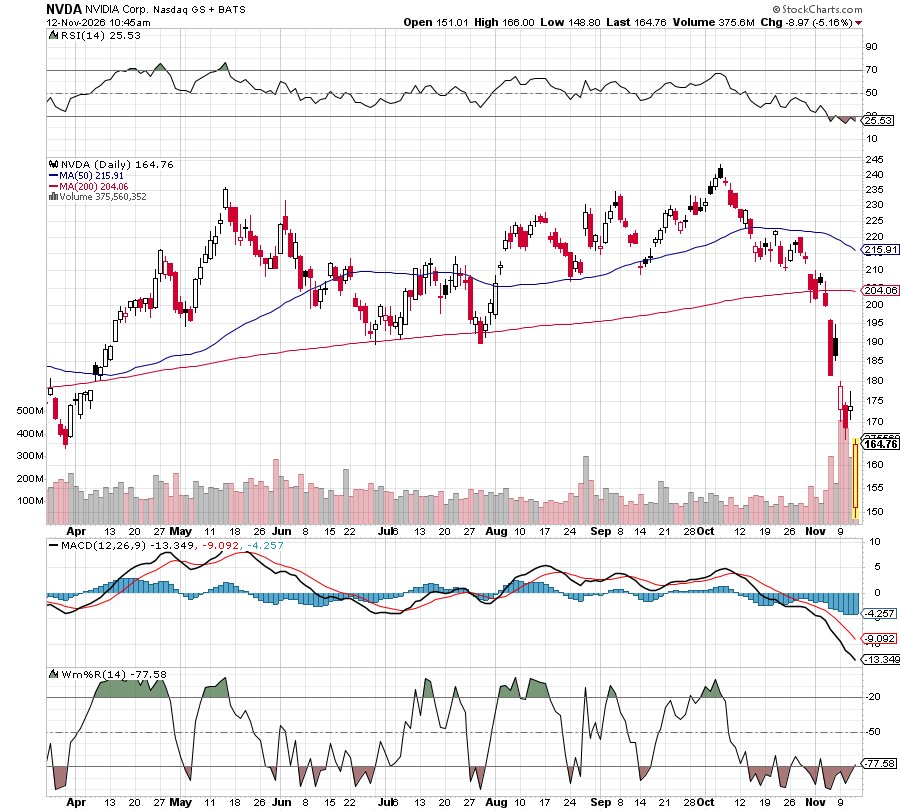
Kress brings considerable institutional knowledge to the transition. Nvidia’s biography says she joined as CFO in September 2013 after holding senior finance positions at Cisco and Microsoft. That experience should help with financial communication and operational continuity, although leading the entire company brings broader responsibilities.
The permanent CEO search will be another important test. Investors should look for someone capable of managing Nvidia’s technical direction, maintaining customer trust and strengthening oversight.
The investigation’s findings also matter. Any confirmed compliance failures could require changes to controls, business relationships or management practices. Until findings are released, assigning specific financial consequences would be speculation.
Ultimately, Nvidia’s next chapter will depend on execution. Huang’s departure creates a substantial leadership challenge, but investors should judge the business through measurable results: customer demand, product delivery, financial performance and credible governance. Those indicators will show whether Nvidia can preserve its momentum while rebuilding confidence in the people responsible for its future.
Sincerely,
Ian Cooper








Recent Comments