
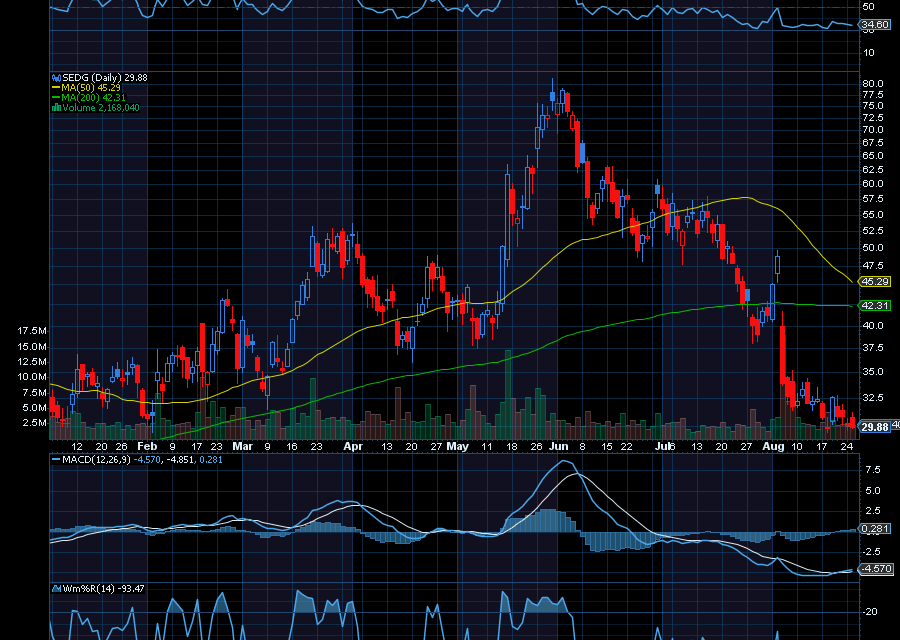
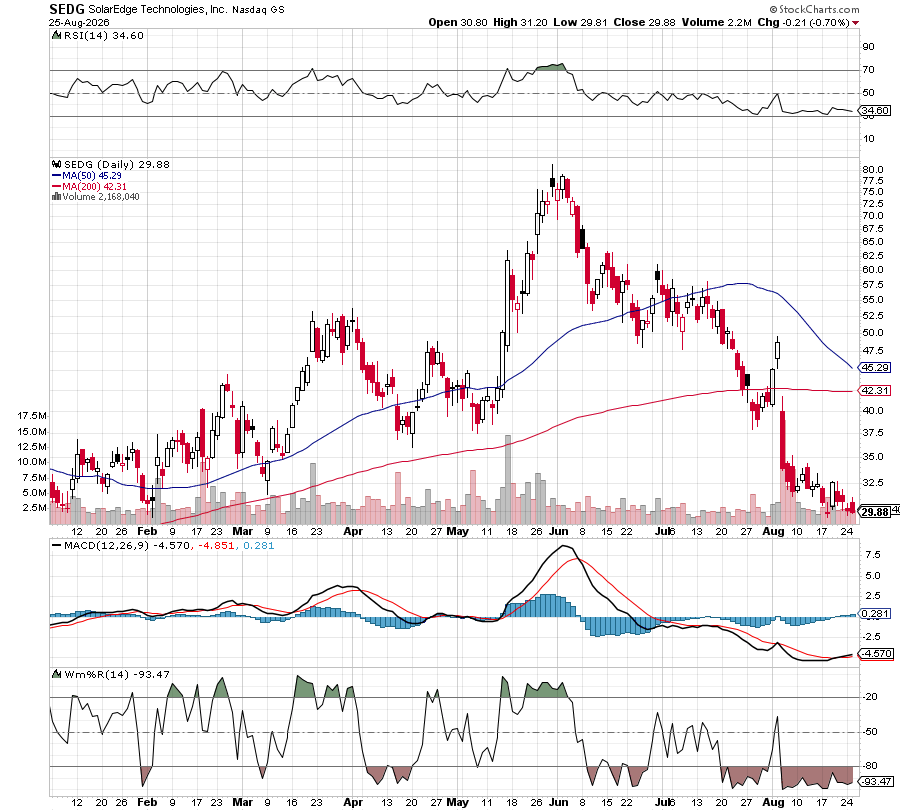
SolarEdge Technologies (NASDAQ: SEDG) should benefit from new U.S. rules limiting foreign-made power inverters, according to UBS. The investment bank recently upgraded SolarEdge’s stock from neutral to buy and raised its price target from $36 to $42.
“SEDG is a key beneficiary” of the Federal Communications Commission’s decision to restrict new foreign-made inverter models, UBS analyst Jon Windham said, as quoted by CNBC.
Why the new rules matter?
Power inverters are an important part of solar energy systems. They convert the electricity produced by solar panels into electricity that can be used by homes, businesses and the power grid. In late July, the Federal Communications Commission, or FCC, added foreign-produced power inverters to a list of products it considers a potential national-security risk.
The FCC said foreign-made inverters could potentially create cybersecurity and supply-chain risks. For example, the agency said certain vulnerabilities could allow outside groups to shut down equipment, collect data or gain remote access.
As a result, new foreign-made inverter models will generally need FCC approval before they can be imported into the United States.
The rules do not mean that all foreign-made inverters are immediately banned. Older models that were already approved or purchased can still be imported. Inverters that are already operating in the U.S. are also not affected.
A potential opportunity for SolarEdge
UBS estimates that the new restrictions could affect around 50% of the U.S. inverter market.
That could create an opportunity for SolarEdge because solar companies may need to find alternative suppliers if they can no longer easily purchase new inverter models from foreign manufacturers. Windham believes this could help SolarEdge gain market share and potentially charge higher prices.
One product that could benefit is SolarEdge’s 330-kilowatt TerraMax inverter, which is designed for large, utility-scale solar projects.
The product had seen limited adoption before the new FCC rules. UBS now believes the restrictions on foreign competitors could give TerraMax a better chance to gain customers.
“Our upgrade is based on near-term share and pricing gain from SEDG’s existing commercially available inverter lineup,” Windham wrote.
Where the inverters are made matters
An important part of the new policy is that the rules focus on where the inverter is manufactured, rather than simply where the company is headquartered. This means a foreign company could potentially sell products in the U.S. if those products meet the necessary domestic manufacturing requirements.
The Buy American rules also require qualifying products to contain a certain percentage of domestic components. Currently, at least 65% of a product’s total cost must come from domestic components. That requirement is scheduled to increase to 75% in 2029.
The policy is part of a broader U.S. effort to protect critical infrastructure and reduce potential risks from foreign-made technology.
From here, investors will be watching to see whether the new FCC rules actually lead to higher demand for SolarEdge products. The biggest potential benefit would come if foreign competitors struggle to introduce new inverter models into the U.S. market. If that happens, SolarEdge could gain customers and potentially increase prices because of reduced competition. There are still some unanswered questions about how the new rules will affect solar projects, equipment purchases and the process of connecting new solar and energy-storage systems to the power grid.
However, UBS believes the policy change could provide SolarEdge with a near-term opportunity to strengthen its position in the U.S. market. For investors, the FCC decision could therefore become an important catalyst for SolarEdge. If the company can turn the new restrictions into increased sales and stronger pricing, the stock could have significant room to recover.
Sincerely,
Ian Cooper






Recent Comments