
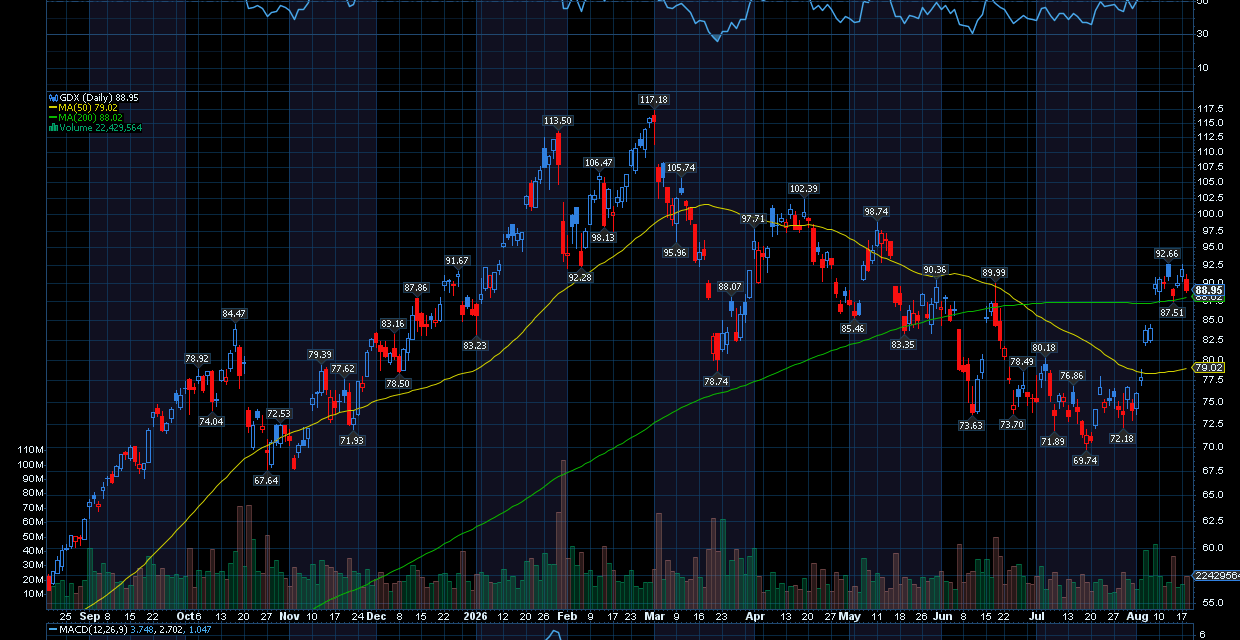
Gold is having a moment again, and investors are showing growing confidence that the precious metal’s rally has further to run. Gold prices have climbed sharply in recent months, while the cost of betting on additional gains through options has remained relatively low. That combination is attracting investors who want exposure to gold without paying the higher premiums that often come with a volatile market. Analysts at Susquehanna says the options market is showing a clear shift toward bullish sentiment. Investors are increasingly using call options to position themselves for another move higher.
Options Are Offering a Cheaper Way to Bet on Gold Upside
Chris Murphy, co-head of derivatives strategy at Susquehanna, said one-month implied volatility for gold remains close to recent lows.
For investors who believe gold could continue rising, that creates an opportunity to buy upside exposure without paying the large premiums that typically accompany big market swings.
One recent trade highlights the growing interest. Murphy said traders bought 8,000 November $460 call options on the SPDR Gold Trust for about $5.55 each. The trade is a significant bet on higher gold prices. The $460 strike price is well above the ETF’s current level, meaning investors are positioning for a substantial rally by November.
The Options Market Is Showing a Change in Sentiment
Another important signal is something traders call “skew.”
Skew measures the difference in what investors are willing to pay for options at various prices. It can offer clues about whether investors are more concerned about a potential decline or are looking for opportunities to profit from a rise.
According to Murphy, gold’s skew has recently moved away from downside protection and toward upside calls.
Earlier in the summer, investors were paying relatively more for put options, which are commonly used to protect portfolios against falling prices. That relationship has now shifted. Calls are becoming more attractive as investors look for ways to participate if gold continues higher. There is still some demand for protection against a decline.
Murphy pointed to a trade involving roughly 25,000 September $350 puts that changed hands for about 62 cents each. Because the puts were relatively inexpensive, investors could purchase downside protection at a lower cost.
Even better, major Wall Street institutions remain bullish on gold.
Goldman Sachs has maintained a year-end price target of $4,900. Analysts say strong purchases by central banks, including China, Poland, Uzbekistan and Kazakhstan, are an important reason for their optimism. Central banks have been increasing their gold holdings as they seek to diversify their reserves and protect against geopolitical and financial risks. Goldman analysts view that buying as a trend that could continue for years.
The outlook for gold will also depend heavily on inflation and interest rates.
Goldman Sachs believes the pressure from expectations of higher Federal Reserve rates has eased following the Fed’s July meeting and a weaker-than-expected July jobs report. If inflation continues to moderate, the central bank may have less reason to raise rates.
Goldman Sachs is not alone in its bullish outlook.
J.P. Morgan expects gold to reach between $4,850 and $5,150 by the middle of next year. In fact, analysts say gold could see a rebound once the bond market becomes convinced that real yields have peaked. The bank also expects gold’s safe-haven appeal to become more important if investor concerns shift away from inflation and toward economic growth.
In short, whether the precious metal can outperform stocks this year will depend on several factors, including central-bank buying, inflation, Federal Reserve policy and the strength of the U.S. dollar. But with Wall Street analysts maintaining high price targets and options traders showing increased demand for upside exposure, gold’s rally may have more room to run.
Sincerely,
Ian Cooper





Recent Comments