
Crude oil just hit $95. Brent is now above $100. And there are now calls for $120 oil, which could be disastrous for the economy and markets. Goldman Sachs, for example, just warned of that price if attacks on shipping in the Middle East intensify.
“Events over the last few days do suggest that the risk of shipping disruptions broadening and intensifying is an important one,” Daan Struyven, co-head of global commodities research at Goldman Sachs, told Bloomberg TV, as quoted by OilPrice.com.
How Can Investors Make Money From It?
As we noted on July 8, one way is to invest in oil giants like Exxon Mobil (NYSE: XOM), Chevron (NYSE: CVX), and Occidental Petroleum (NYSE: OXY). Since then, XOM ran from about $140 to $160. CVX ran from about $175 to $209.80. OXY ran from about $53 to $60.65.
All could see further upside if oil does gush higher.
We also mentioned a second way with exchange-traded funds, which allow you to diversify with a good number of energy-related names.
ETF #1: Large-Cap Energy Exposure
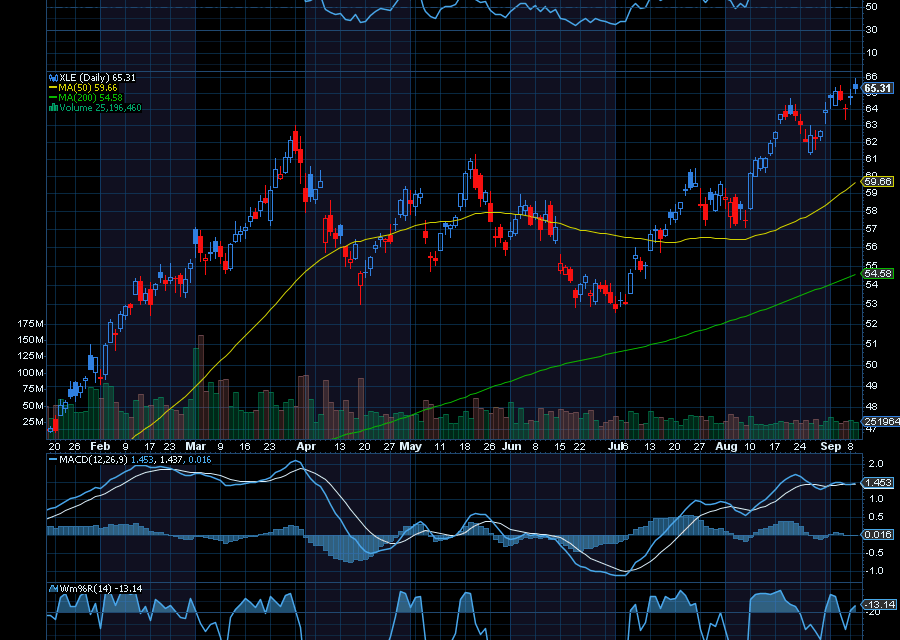
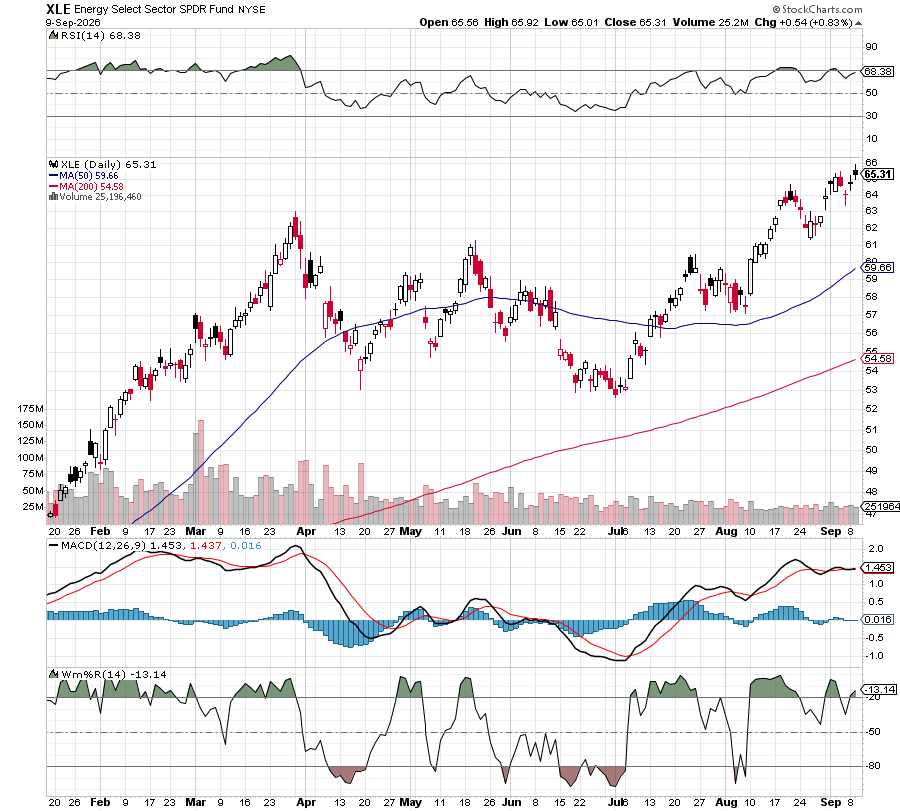
SPDR Energy Select Sector ETF (NYSEARCA: XLE)
With an expense ratio of 0.08%, the SPDR Energy Select Sector ETF provides exposure to companies in the oil, gas and consumable fuel, energy equipment and services industries, as noted by State Street SPDR. The ETF is heavily weighted toward large, established energy giants, which account for a significant portion of its total holdings and help provide more resilience during market downturns. Some of those holdings include Exxon Mobil, Chevron, ConocoPhillips, Williams Cos., and EOG Resources, to name just a few.
Since July 8, the ETF gushed from about $55 to $65.

ETF #2: A Play on Oil Exploration
SPDR S&P Oil & Gas Exploration & Production ETF (NYSEAERCA: XOP)
With an expense ratio of 0.35%, the SPDR S&P Oil & Gas Exploration & Production ETF provides exposure to the oil and gas exploration and production segment of the S&P TMI, which comprises the following sub-industries: Integrated Oil & Gas, Oil & Gas Exploration & Production, and Oil & Gas Refining & Marketing, as noted by State Street SPDR. Some of its top holdings include Callon Petroleum, SM Energy Company, Devon Energy Corporation, EOG Resources, and ConocoPhillips, for example.
XOP also has an extremely high correlation with the price of oil, making it a suitable for investors seeking direct leverage to upward movements in crude oil prices.
Since July 8, the ETF ran from about $169 to $194.
ETF #3: Global Energy Exposure
iShares Global Energy ETF (NYSE Arca: IXC)
With an expense ratio of 0.40%, the iShares Global Energy ETF provides investors with broad exposure to the global energy sector by tracking the investment results of an index composed of energy-related equities from companies around the world. The fund is designed to capture the performance of large- and mid-cap companies involved in the exploration, production, refining, distribution, and servicing of energy resources, including traditional oil and gas businesses as well as integrated energy firms.
Because of its global focus, IXC provides exposure not only to U.S.-based energy companies but also to international firms, allowing investors to participate in global trends. Since July 8, the ETF ran from about $51 to $59.
The Bottom Line
With crude oil surging and the possibility of $120 oil becoming a reality, the energy sector could remain one of the market’s biggest beneficiaries if supply disruptions continue to intensify. That doesn’t mean investors should chase every energy stock or ETF after their recent gains, but it does highlight the potential opportunities that exist when oil prices move sharply higher.
For investors looking for direct exposure, Exxon Mobil, Chevron, and Occidental Petroleum could benefit from higher crude prices. Those seeking diversification may prefer ETFs like XLE, XOP, or IXC, each of which offers a different way to participate in the energy rally.
Sincerely,
Ian Cooper







Recent Comments