
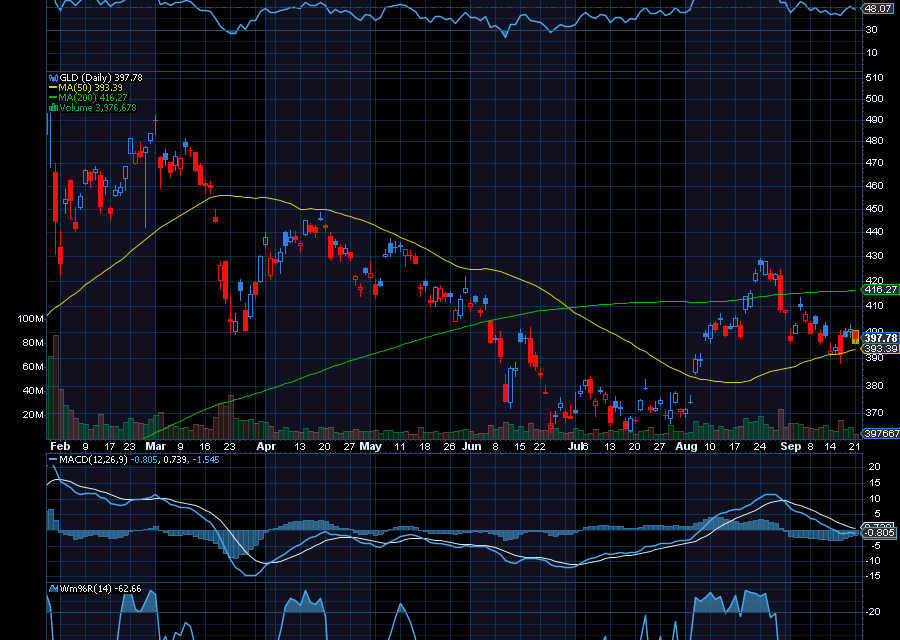
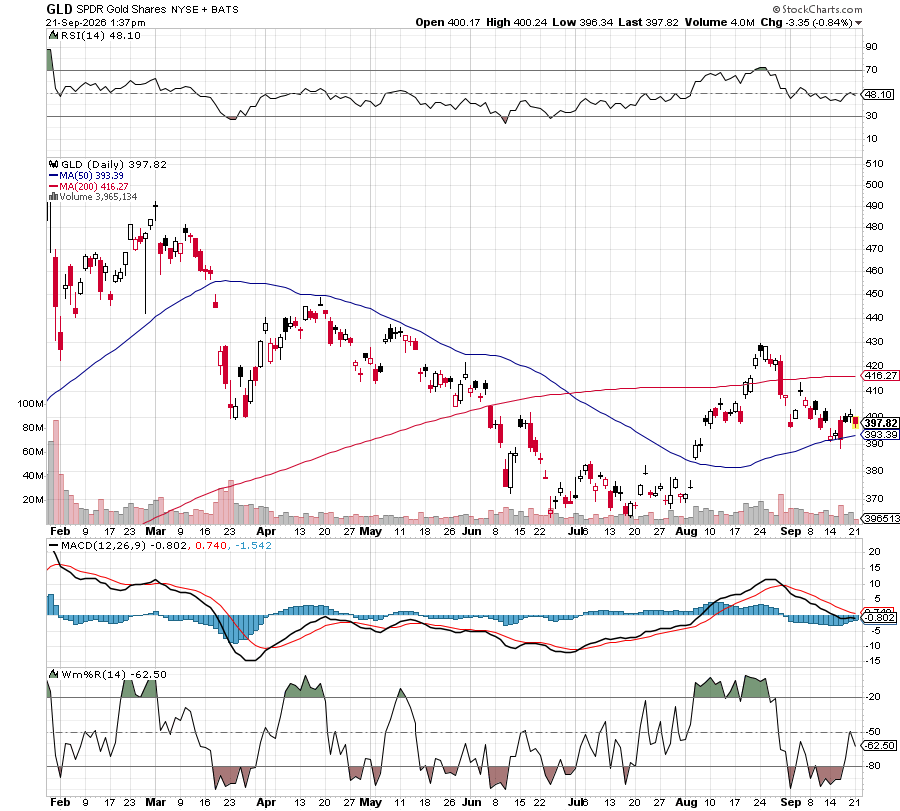
Gold has already enjoyed a massive run, but investors may not want to assume the rally is nearing its end. Goldman Sachs recently reiterated its forecast that gold could reach $5,400 per ounce by the end of 2026. That may sound ambitious, especially after interest-rate pressures created new questions about the outlook for precious metals.
Yet Goldman’s bullish argument is based on something bigger than the Federal Reserve’s next move: a long-term change in the way central banks, institutions and private investors view gold. Traditionally, higher interest rates have been considered a headwind for gold. Because the metal does not pay interest or generate income, it can become less attractive when investors can earn competitive yields from bonds and cash.

Central Banks Are Still Accumulating Gold
One of the strongest catalysts supporting the gold market is continued buying by central banks.
According to figures cited by the World Gold Council, central banks purchased an estimated 289 metric tonnes of gold during the second quarter. They reportedly added another 23 tonnes in July. In addition, emerging-market central banks have been particularly active. China reportedly added approximately 20 tonnes in July, while Poland purchased another eight tonnes. Poland has also remained one of the most aggressive sovereign gold buyers of 2026.
Goldman Sachs reportedly expects central banks to purchase an average of roughly 60 tonnes of gold per month during 2026. If buying remains anywhere near that level, it could continue placing meaningful support underneath the market.
David Einhorn Is Bullish, Too
In addition, Greenlight Capital founder David Einhorn is bullish. As reported by GoldSilver.com, Einhorn believes gold could “significantly outperform” the Nasdaq over the next three to five years. His outlook is based partly on concerns about loose U.S. fiscal policy and the continuing global trend toward de-dollarization.
In short, the longer-term case for gold is still strong, despite rising interest rates. Central banks are still accumulating the metal, government debt continues to rise and investors remain concerned about inflation, currency stability and geopolitical risk. If those trends persist, Goldman Sachs’ $5,400 forecast may not be as aggressive as it initially appears.
Sincerely,
Ian Cooper






Recent Comments