
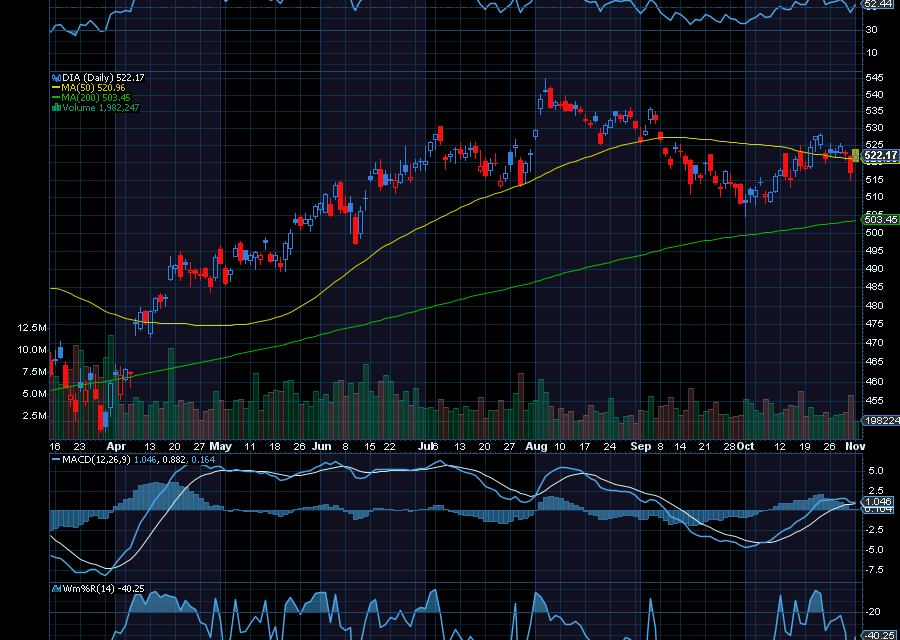
The midterm elections are today.
Millions of us will determine control of Congress, with potential consequences for taxes, federal spending and regulation.
Historically, what we do know is this. Since 1926, according to Morningstar, stocks have done better in November in election years than in non-election years. In the average election-year November, stocks have risen by 2.4%. In the average non-election-year November, stocks have risen by only 0.9%. A big reason for that is that uncertainty is gone.
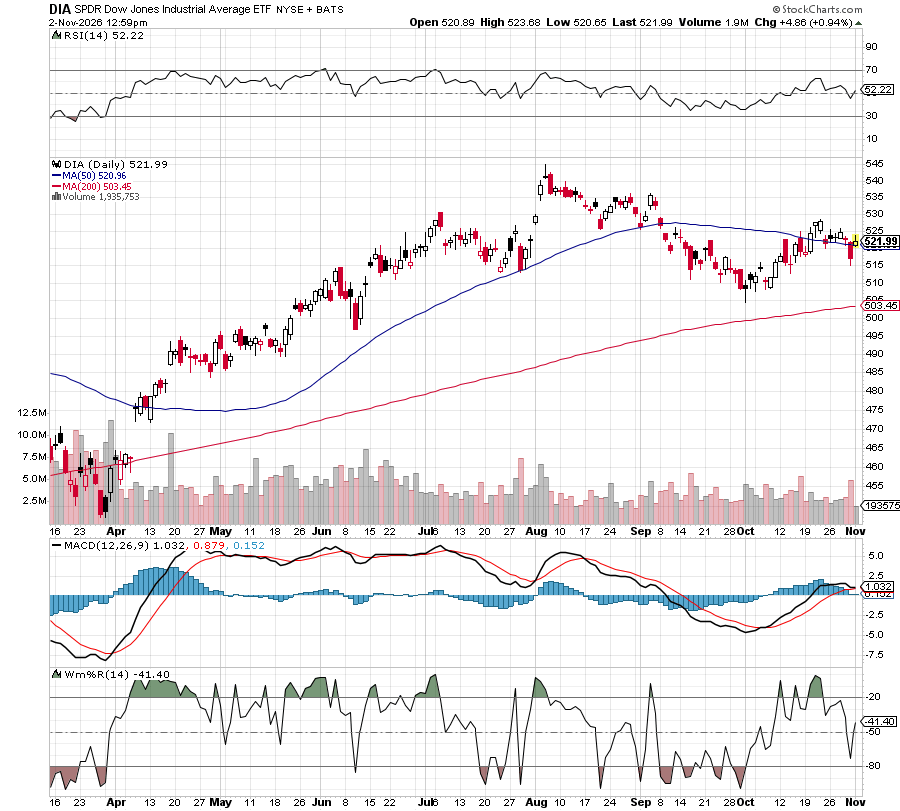
A report from Fidelity finds that stocks tend to do well in the 12 months after a midterm. Since 1950, the S&P has gained just 4.9% in the 12 months leading up to midterms, but 14.5% in the 12 months after, on average.
That being said, it may make sense to go long the major indices, with ETFs such as the SPDR Dow Jones Industrial Average ETF (DIA), the Invescro QQQ Trust (QQQ), and even the SPDR S&P 500 ETF Trust (SPY) for the long haul.
Sincerely,
Ian Cooper





Recent Comments